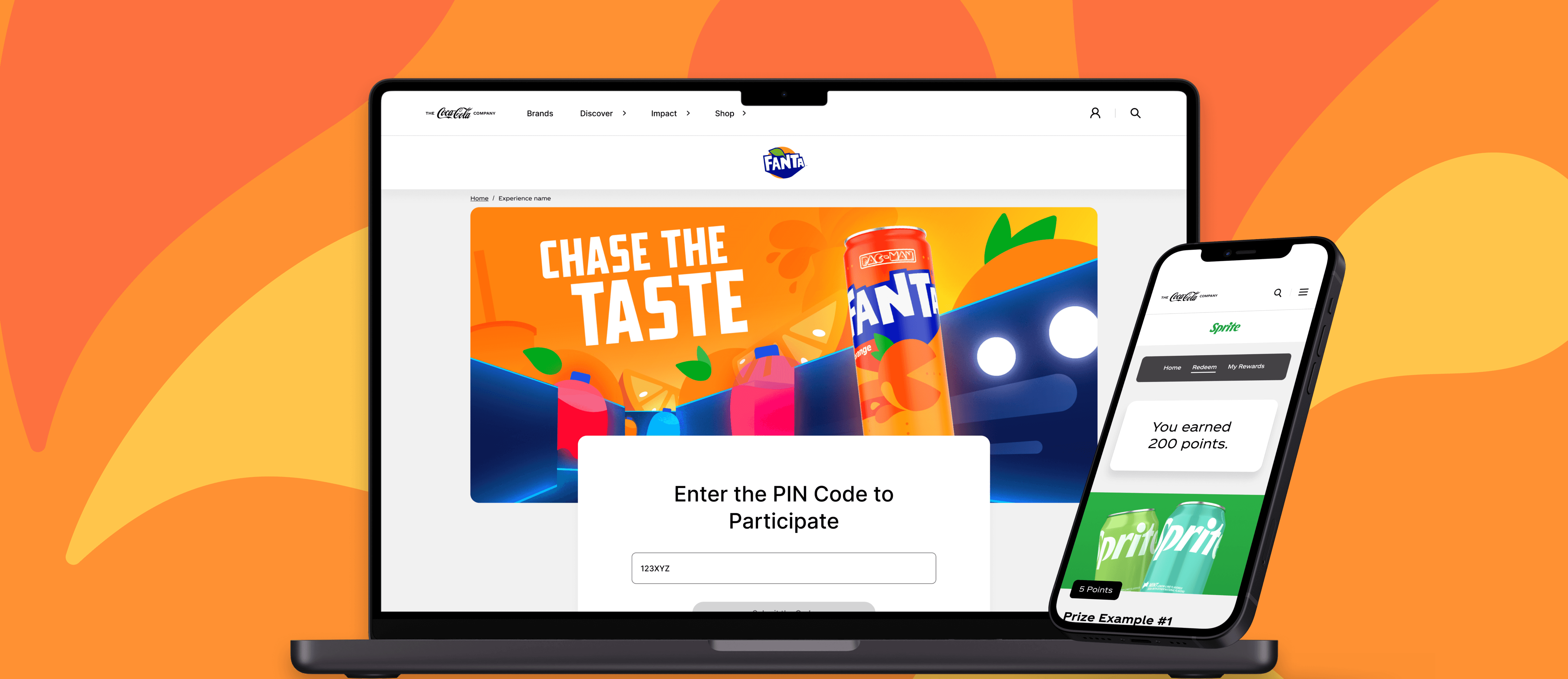
Unifying Coca-Cola's 500+ brand websites for 17M monthly users
Background
Coca-Cola’s digital ecosystem spanned 500+ brand websites across 200 countries. Each site was managed independently, which drove up maintenance costs, created inconsistent user experiences, and made it harder to engage Gen Z - a key growth audience.
Challenge
How do we create a unified digital experience to replace hundreds of independently managed websites while working within legacy systems and international compliance rules?
Impact
3 components added to internal design system
targeted to improve core engagement workflows
7 layouts added to Coca-Cola's design playbook
scaling improvements for future optimization
40 stakeholders buy-in to final designs
across global markets
Team



My Role
Product designer
UX & UI design
Documentation
Timeline
4 months (2024)
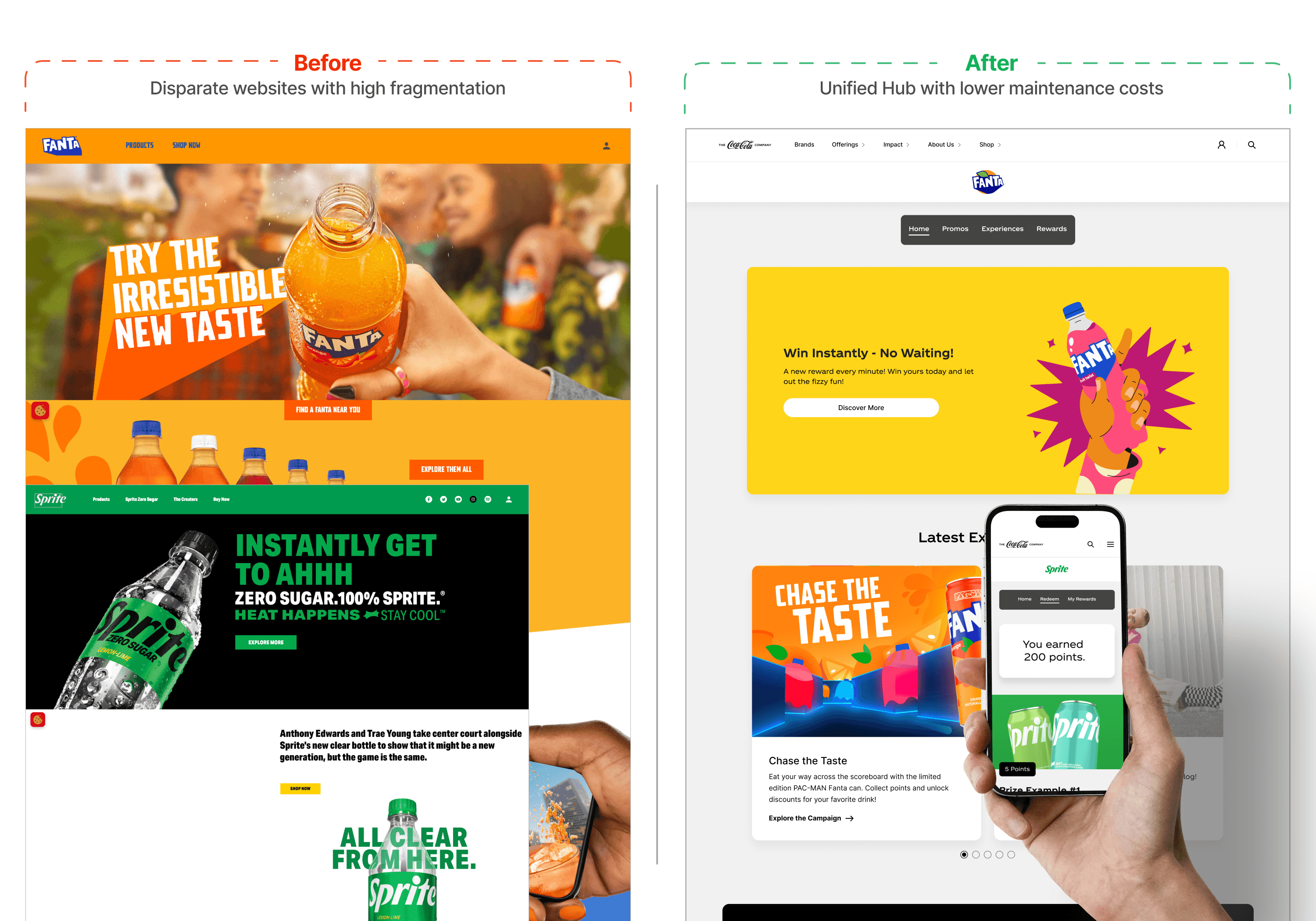
📕 The full story
Serving 17M users across 500+ websites
Coca-Cola operates in 200 countries, with local teams managing their own sites. This led to fragmented experiences and weaker signup and reward engagement, especially with GenZ.
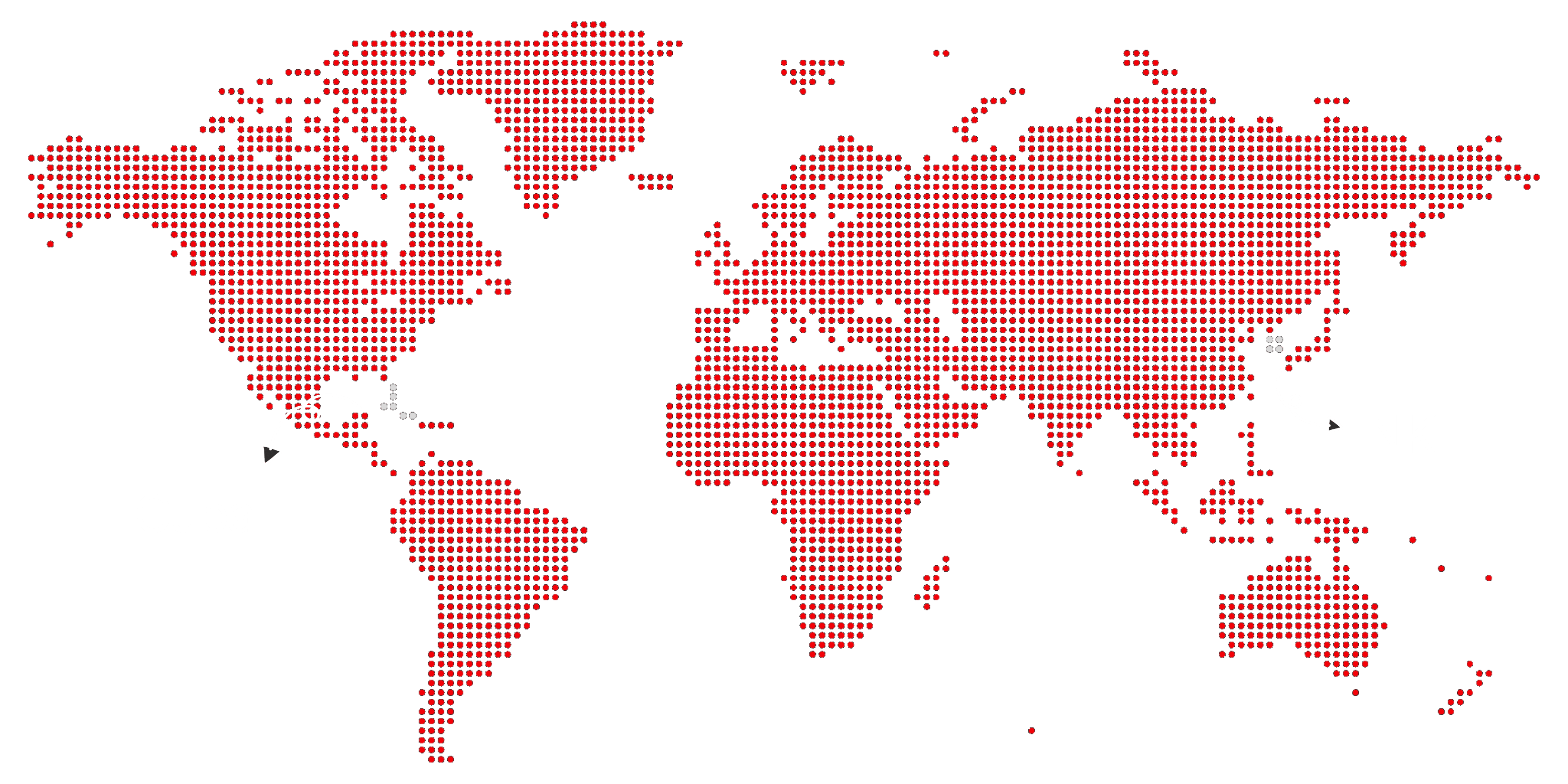
Coca-Cola is sold throughout the world except Cuba and North Korea
What does success look like?
At a digital agency partnering with Coca-Cola, I led redesigns for Signup, Promotion, and Reward redemption flows. I worked closely with their designers, engineers, researchers, and stakeholders
Creating reusable, system-friendly designs
to streamline UX and development
Improve CTR and Signups for GenZ
Key engagement metrics for Coca-Cola
Auditing the workflows helped me uncover problems
I focused on first auditing Coca-Cola's design system, understanding existing patterns, workflows and internal jargon to find core shortcomings.
🔍 Three core problems hurting engagement
1.Signup and reward flows were long and inconsistent
Without shared patterns, promotions were built in isolation. Teams couldn’t reuse learnings from other brands, leading to uneven experiences and repeated mistakes.
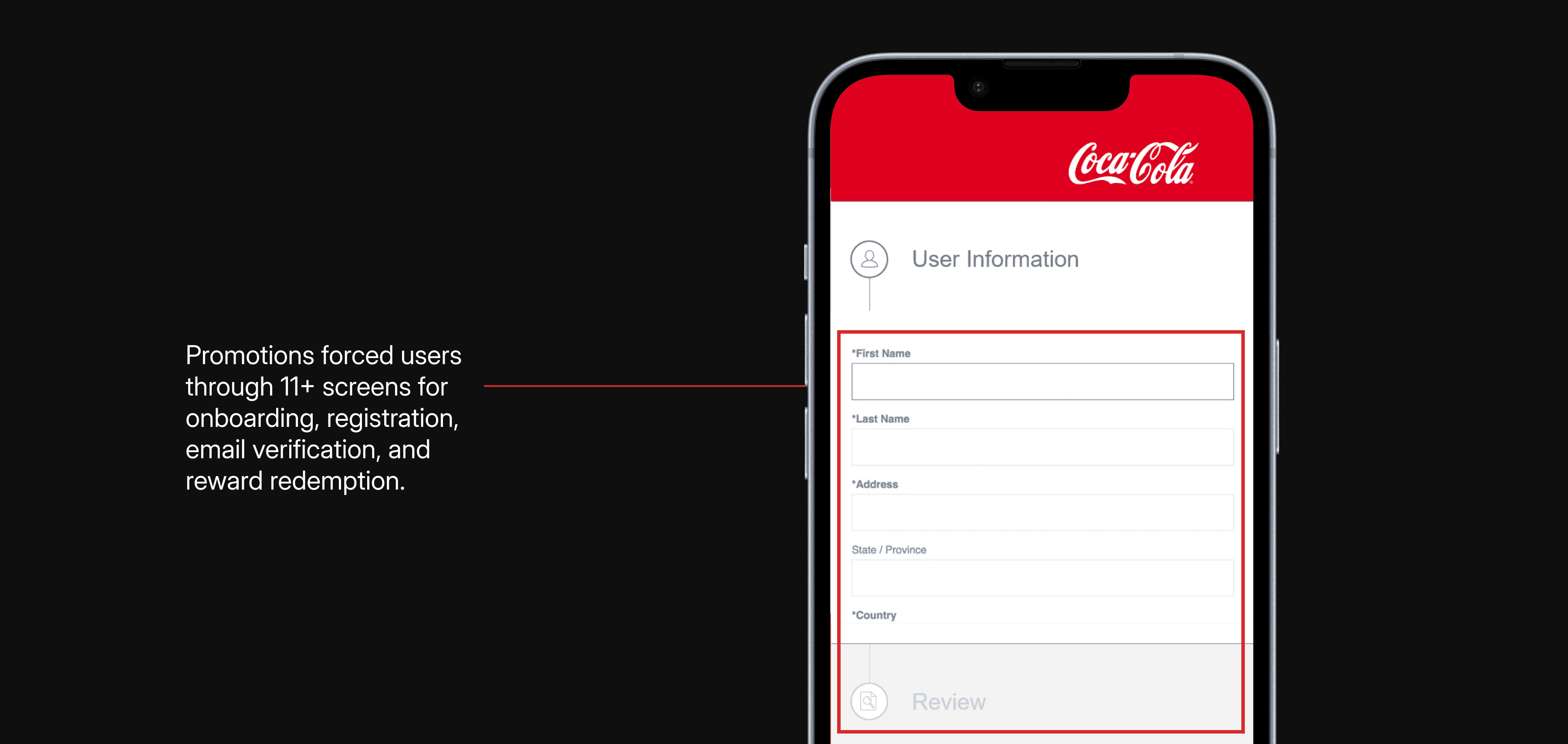
Example: Coca-Cola’s signup funnel was long and caused drop-offs.
2.Campaigns relied on rewards that confused users
"I have no idea about where my (promotion) rewards are or what I can redeem."
Gen Z user, usability testing
Users often didn’t know what they’d earn or how to redeem it. Progress was unclear, which caused people to abandon signups.
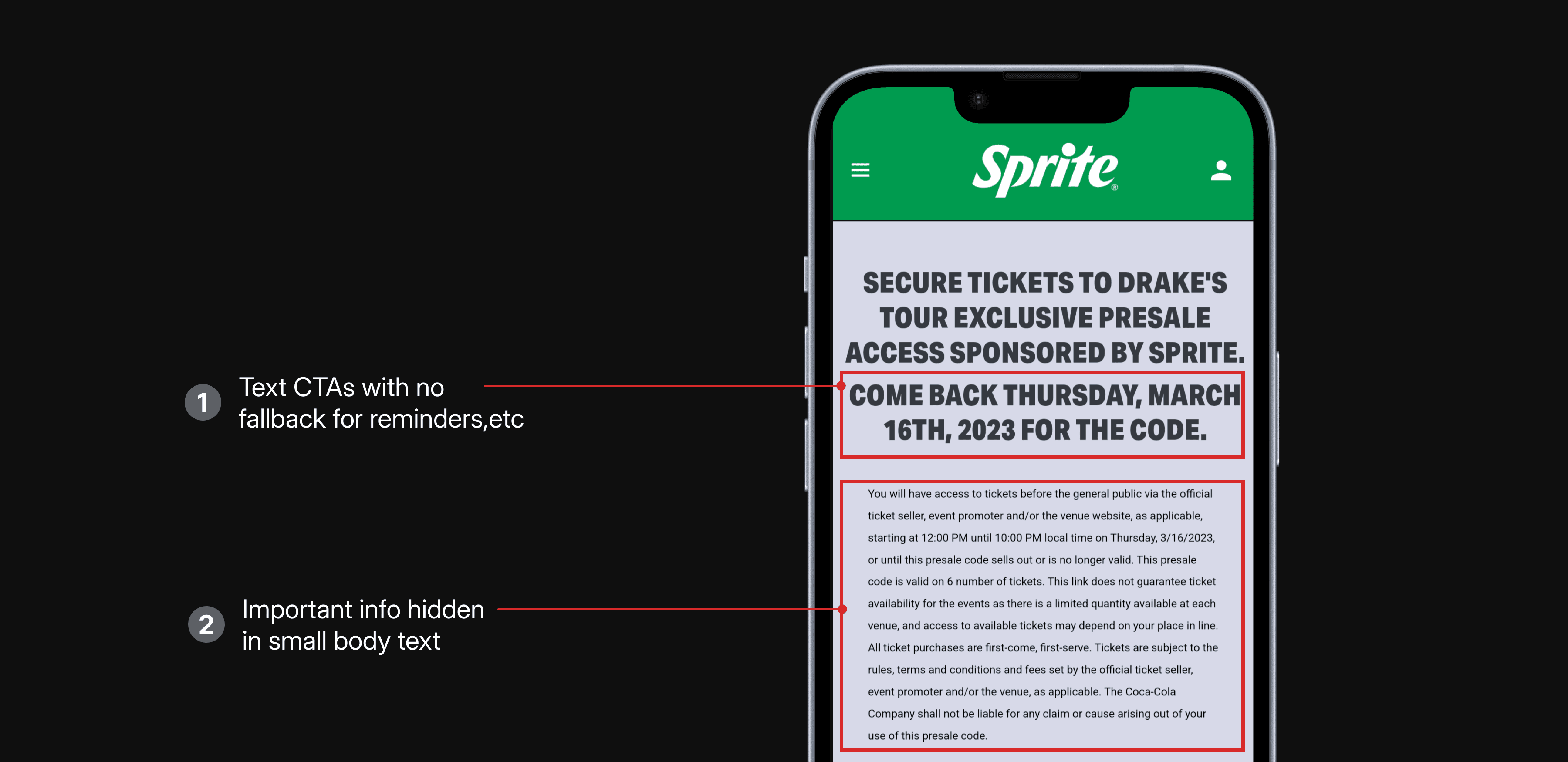
Example: Users had to set reminders or track promotions themselves.
3.Navigation worked against user goals
Navigation treated all content equally. Products, campaigns, and promotions competed for attention, breaking the discovery funnel.
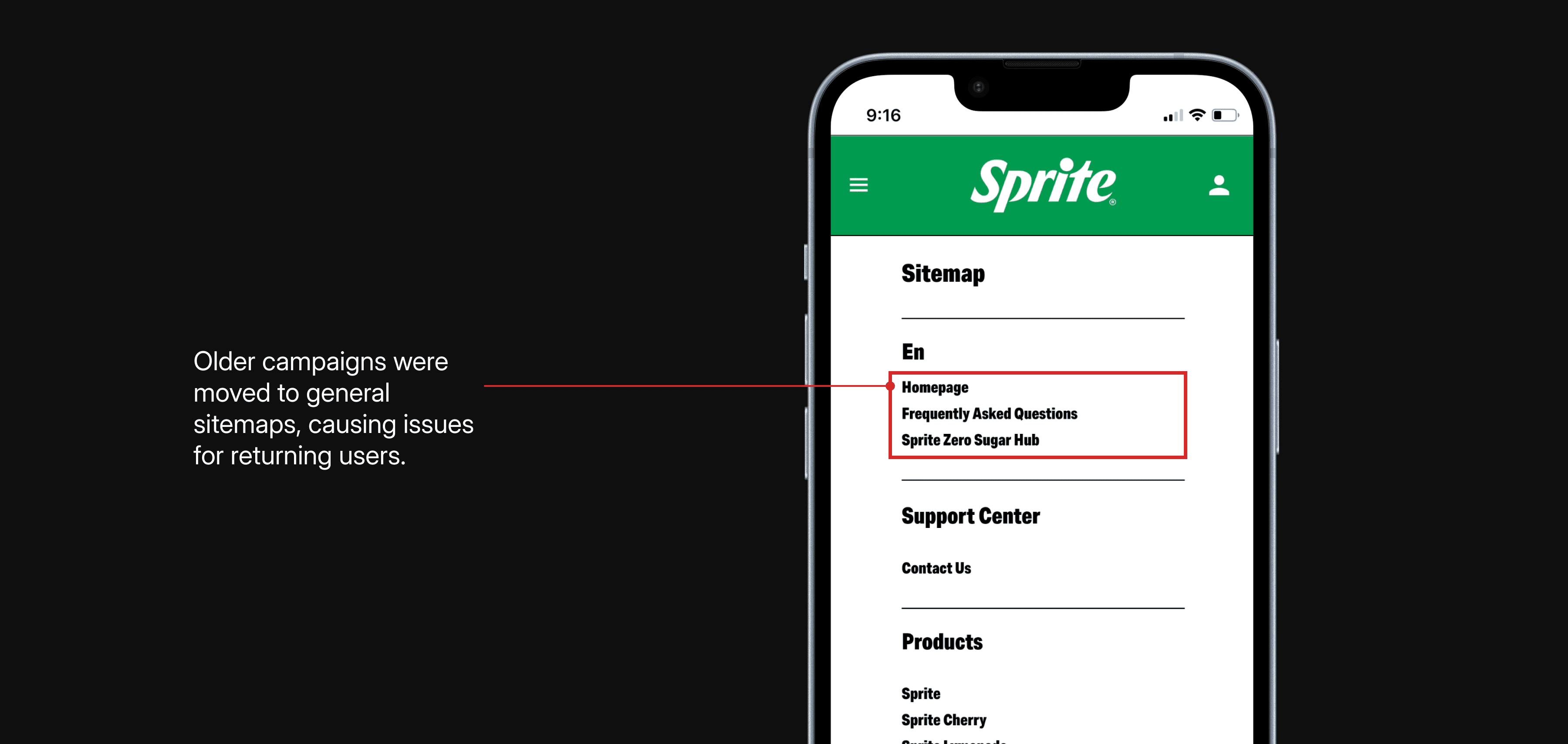
Example: Lack of clear hierarchy for promotions hurt discovery for new and returning users.
🧩 Constraints that shaped the work
Constraint : System-level changes could take upto a year
Early wireframes triggered pushback when they relied on new components:
"These (components) shouldn't be included. You need to find a way to work with what we have. These'll take 6 months…a year even"
Coca-Cola technical stakeholder
This made it clear that I couldn’t design new components for every problem. Progress depended on tight alignment with Coca-Cola’s internal design team and strong justification for every change.
Anchoring design proposals in research and data
I partnered with a UX researcher on interviews and worked with Coca-Cola’s internal research team on market data. This helped validate designs and support stakeholder conversations for new components.
One insight stood out:
Users were open to registering as long as incentives were explained clearly.

Usability testing helped finalize seven layouts tied directly to CTR and signup performance.
🧪 Iterations and testing
Strategic pivot: optimize what existed
Once constraints were clear, I focused on changes with high user impact and low system risk.
Mobile-first layouts became a priority based on traffic patterns.
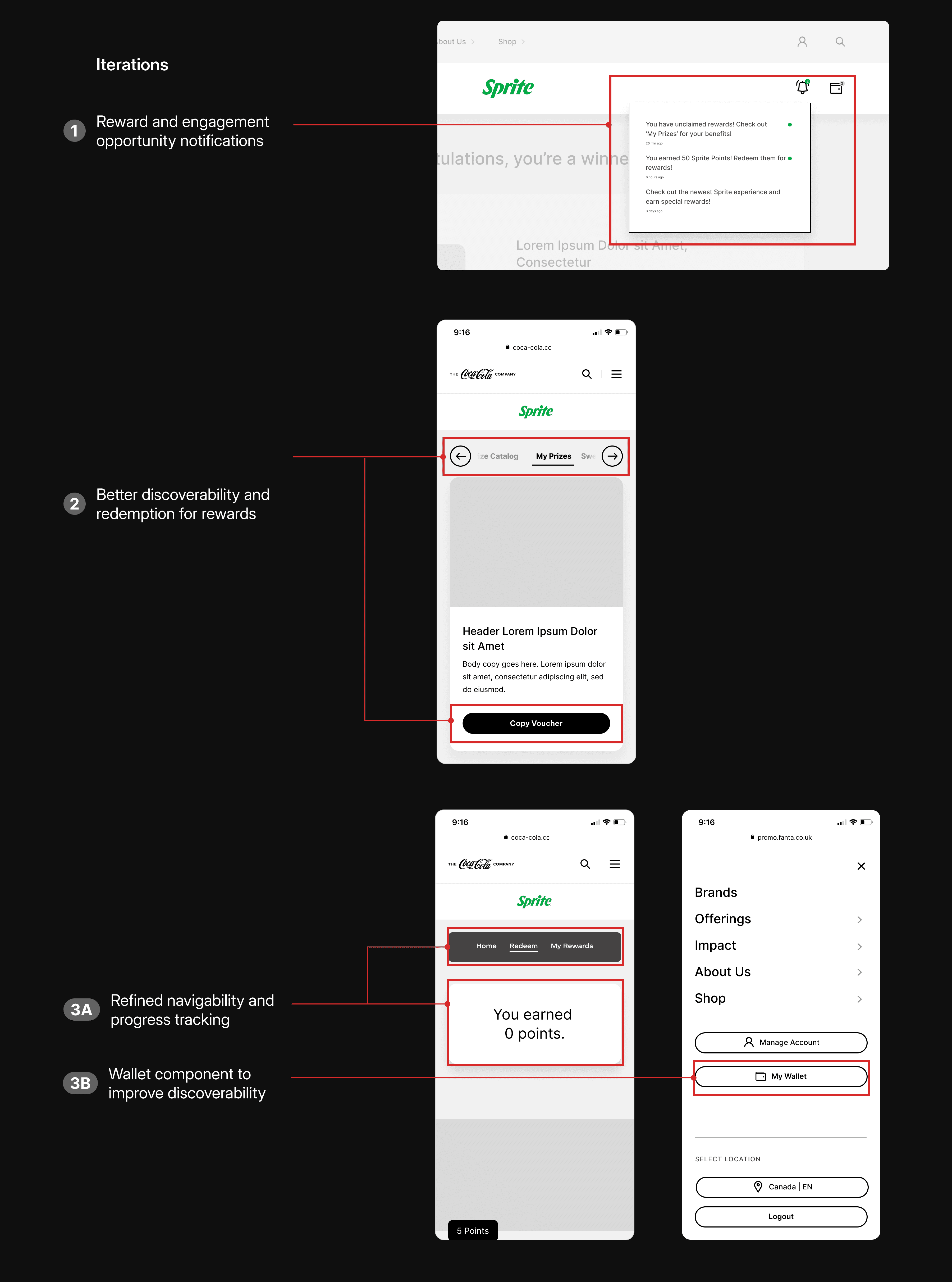
Iterations Example: I explored component variations to improve visibility of signup-driving flows.
🎯
Final Designs
Streamlined redemption flow for clarity
Problem: Reward systems varied by site. Users couldn’t tell what they’d earn or what to do next.
What I did: Designed a single redemption flow with clear steps, visible rewards, and real-time progress.
All internal testing participants preferred the new flow.
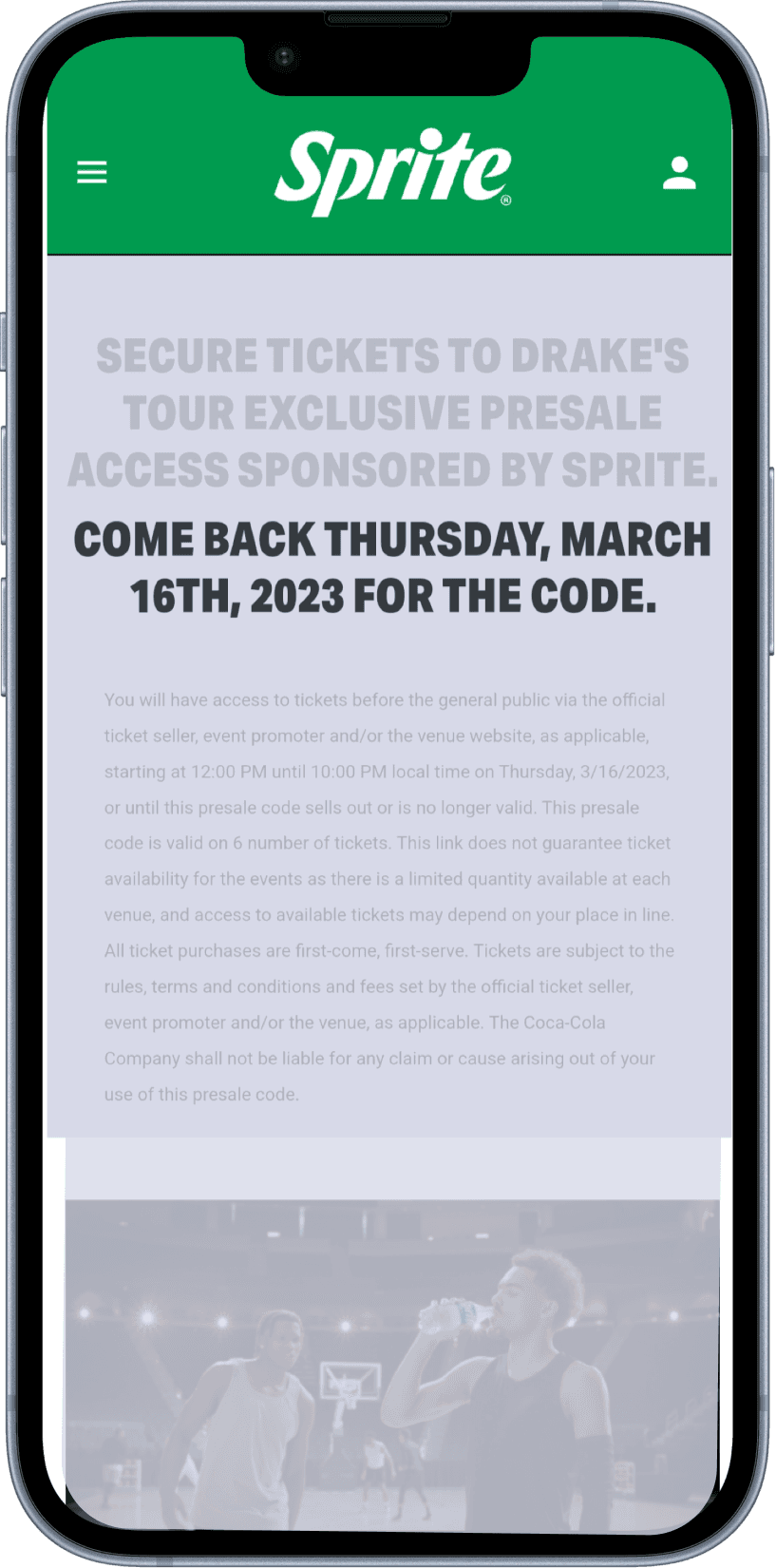
Before
After
Clearer navigation for campaigns
Problem: Sitemap-heavy navigation buried active campaigns. 65% of users reported poor onboarding.
What I did: Redesigned the header to separate brand content from campaigns, reducing clicks and confusion.
85% of participants found the layout easier to navigate.

Before
Before
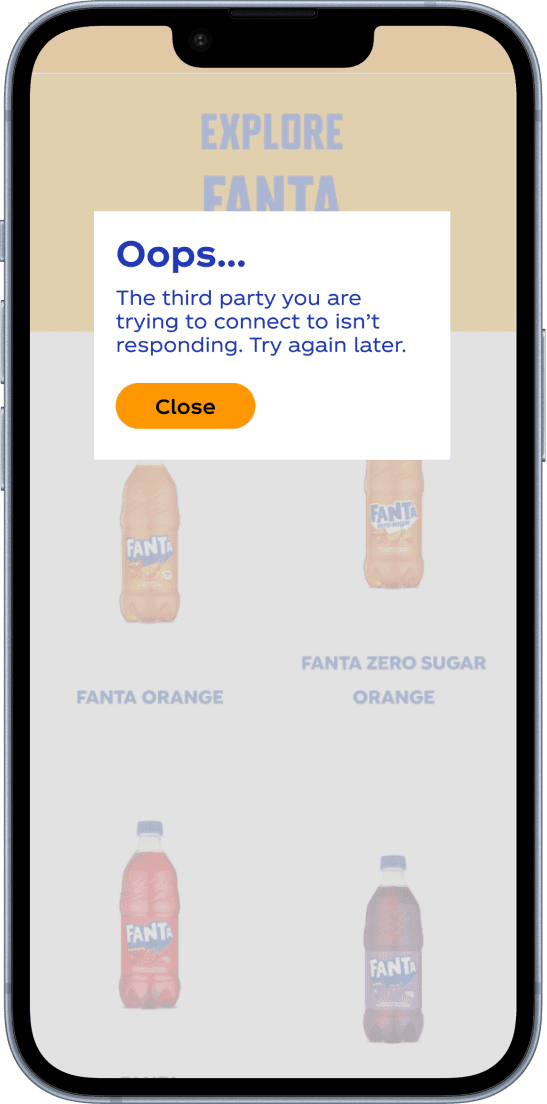
Error states that reduced drop-offs
Problem: During testing, generic error messages repeatedly caused users to abandon signups and redemptions.
What I did: Designed clear error states with specific guidance for invalid codes, expired promotions, geo limits, and system issues.
All participants found error states easy to understand and recover from.
Before
Before
Impact
14% increase in Signup CTR
in the US within three months
3 components added to internal design system
improving core engagement workflows
7 layouts added to Coca-Cola's playbook
for future website optimization
40 stakeholders buy-in to final designs
across global markets
'The global director was very impressed with the data you put together for the designs…'
Isabel Jesus, Coca-Cola Project Manager
"Keyur’s dedication and hard work shone through in the project, and his attention to detail ensures a seamless user experience every time."
Lacey Langlois - UX Researcher, project team
💡 What I’d like to revisit
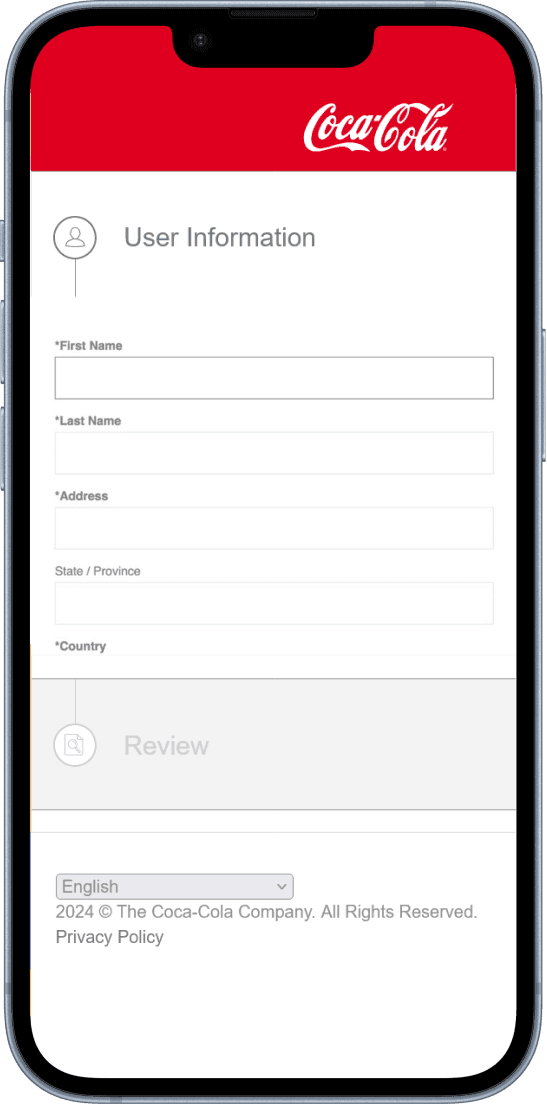
1.Reducing registration friction
I proposed letting users experience rewards before full registration and using SSO to shorten signup, but global compliance blocked it. Instead, I clarified requirements earlier in the flow to set expectations.
With more flexibility, I’d test market-specific registration flows to build a stronger case over time.
Current
Proposed
Key Learnings
Stakeholder alignment matters as much as design quality. Early rejections can be reversed with shared context and data.
Team empathy matters. I stopped presenting as “the designer” and presented as a shared stakeholder: CTR with business, build time with engineers. That shift helped me get faster approvals and move work forward.

Thank you for reading!
Next Case Study
Aire Labs
Solving the $240k Excel Trap
Led UX for a risk analysis MVP, turning chaotic Excel models into a streamlined, collaborative platform. In 3 months, we cut task time by 35% and landed 8 enterprise beta clients.
Enterprise
SaaS
0-1
Product Design